I can't let today pass without encouraging all of my American friends at home to vote. And vote for Barack. He is the guy to get us where we want to go. And if you live in Virginia, vote for Mark Warner. Another guy you want representing you.
I have great admiration for all of you, including my Mom, who have devoted untold hours to this campaign. Because of you, we will make history.
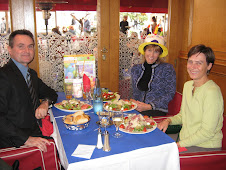
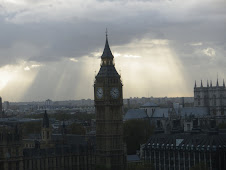
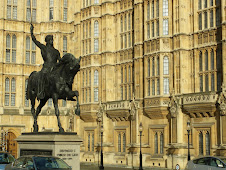
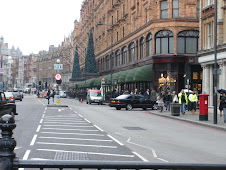
I will be in London tomorrow, expectantly celebrating the election with American friends.
Long live democracy!
Tuesday, November 4, 2008


Tell Me About The French
I get this question from a number of you, but you can’t really talk about the French without talking about their country. I read several books before I came over here to become acquainted with the country; “Six Million Frenchmen Can’t Be Wrong”, was the one my friend Erick suggested had a good overall look at what I was getting myself into with my move here. A few other books written by ex-patriates who have lived in Paris and acculturated to the French lifestyle (“Almost French” & “A Town Like Paris”) were also helpful for me in highlighting some of the more obvious things that make France different.
So herewith, my own observations about the things that make France French, or at least different from what I know as an American.
Mondays. In preparation for my trip to Corsica with Priscilla back in September, I organized myself to get to the bank on Monday before we left Tuesday morning so I’d have some cash for the trip. But when I got to the bank that Monday morning, it was closed. Arghhh! Lesson learned! There is a 35 hour work week in France, and if you are open on Saturday (which the bank is, conveniently for a number of folks, I am sure), then you close on Monday, so that your employees get a proper 5 day work week. Most businesses that open on Saturdays are closed on Monday; although some are open Monday and closed some other day of the week (it is Tuesday for the hair dresser in my building). The big commercial supermarkets and superstores can afford to open six days of the week, given a high employee count (and ability to manage work schedules), but it’s not the same for the smaller companies and shops.
Streets. Living on the fourth floor of my building (called the 3rd floor on the elevator, as the first floor is designated “0”), I hear a lot of what is going on in the street below me. And believe me, there is a lot! OK, so New York City has machines that clean their streets, but in Nice, the city workers take out hoses and wash down the street. Regularly; even in a rain storm this morning! Now, I’m not complaining, really, because honestly, with all the dog crap on the sidewalks and in the street, having someone actually get rid of that crap makes me happy. (I take off my shoes once I’m in my apartment, you have no idea what kind of stuff you may track around the floors – floors which I tend to spend some time on stretching before a run, for instance. The other phenomenon that I have learned to accommodate in my sleeping habits is the nightly trash pickup. Nightly! I can’t think of an American city where I have lived that had daily trash pickup, even NYC. But this is a country of small apartments and no disposals, so I guess that makes sense? On the other hand, I wonder if it’s not just a socialist thing, keeping the workers busy for their 35 hours a week (kind of like the street cleaning – again, I’m not complaining!).
Bread. Americans eat like there’s no tomorrow, but there is no comparative activity I can think of that occurs daily in American gastronomy like the quotidian buying of bread here in France. In the morning you see people holding croissants or pain au chocolat or some other sweet thing in their hands as they head to work. Around noon, you see the exodus as folks leave work and kids leave school for lunch, and every other person you pass is carrying a baguette, or two, or three, even. And at the end of the day, the same phenomenon; I suppose if you didn’t get one in the morning, you pick it up in the evening. In the two block radius of my apartment, there are six places to buy a baguette, either in a boulangerie or in a supermarket or a patisserie. The fact of the matter, I learned from Priscilla, is that a good baguette is fresh for about four hours. That’s it. So, if you want fresh bread, and apparently folks do, you buy it just before you are going to eat it. I’ve written that folks will freeze the uneaten sections of their bread, for eating later, but mostly, I think the French embrace their national obsession with fresh food, and go for the real thing.
Time. Life moves at a different pace here. Americans work long hours and eat lunch at their desk or pick up something quick at McDonalds or Subway. The French close down their stores and offices for two hours each day for lunch. I walk by cafés anytime between noon and 3 p.m. and see people sitting there, a carafe of wine between them, relaxed and talking. Americans (OK, at least in the working community) organize their lunches out to conduct business. I think the inverse is true for the French. This relaxed schedule is certainly guided by the 35 hour work week, and I have to admit, I haven’t met any French yet that strike me as go-getters. This is a country known for its small businesses, but not for any rags to riches stories. My friend Erick who works as a tax attorney here in Nice, longs to go back to the US, where he lived for a time many years ago. He is tired of how long everything takes in France; in America, we make decisions, move forward, and stick to deadlines. Priscilla warns me, as I look for a doctor here in Nice, that I should find an office close to where I live, because doctor visits inevitably take hours. (I told her that I’ve waited for hours for my doctor in the States, too.) In my unemployed, all-the-time-in-the-world status, this waiting concept does not bother me. I’ve waited in a long line to buy a train ticket; and seen long lines in the Post Office, and know that government offices are notorious for making people wait. The French appear to be content to wait; but then there’s another side to them. Priscilla and I were waiting in a long line to get into a concert this past weekend; when the doors opened, everyone massed toward the doors, line be damned. We overheard a Frenchman observe that if these had been Americans, everyone would have stayed in line. Well, maybe the English would have, anyway.
More observations to come…
So herewith, my own observations about the things that make France French, or at least different from what I know as an American.
Mondays. In preparation for my trip to Corsica with Priscilla back in September, I organized myself to get to the bank on Monday before we left Tuesday morning so I’d have some cash for the trip. But when I got to the bank that Monday morning, it was closed. Arghhh! Lesson learned! There is a 35 hour work week in France, and if you are open on Saturday (which the bank is, conveniently for a number of folks, I am sure), then you close on Monday, so that your employees get a proper 5 day work week. Most businesses that open on Saturdays are closed on Monday; although some are open Monday and closed some other day of the week (it is Tuesday for the hair dresser in my building). The big commercial supermarkets and superstores can afford to open six days of the week, given a high employee count (and ability to manage work schedules), but it’s not the same for the smaller companies and shops.
Streets. Living on the fourth floor of my building (called the 3rd floor on the elevator, as the first floor is designated “0”), I hear a lot of what is going on in the street below me. And believe me, there is a lot! OK, so New York City has machines that clean their streets, but in Nice, the city workers take out hoses and wash down the street. Regularly; even in a rain storm this morning! Now, I’m not complaining, really, because honestly, with all the dog crap on the sidewalks and in the street, having someone actually get rid of that crap makes me happy. (I take off my shoes once I’m in my apartment, you have no idea what kind of stuff you may track around the floors – floors which I tend to spend some time on stretching before a run, for instance. The other phenomenon that I have learned to accommodate in my sleeping habits is the nightly trash pickup. Nightly! I can’t think of an American city where I have lived that had daily trash pickup, even NYC. But this is a country of small apartments and no disposals, so I guess that makes sense? On the other hand, I wonder if it’s not just a socialist thing, keeping the workers busy for their 35 hours a week (kind of like the street cleaning – again, I’m not complaining!).
Bread. Americans eat like there’s no tomorrow, but there is no comparative activity I can think of that occurs daily in American gastronomy like the quotidian buying of bread here in France. In the morning you see people holding croissants or pain au chocolat or some other sweet thing in their hands as they head to work. Around noon, you see the exodus as folks leave work and kids leave school for lunch, and every other person you pass is carrying a baguette, or two, or three, even. And at the end of the day, the same phenomenon; I suppose if you didn’t get one in the morning, you pick it up in the evening. In the two block radius of my apartment, there are six places to buy a baguette, either in a boulangerie or in a supermarket or a patisserie. The fact of the matter, I learned from Priscilla, is that a good baguette is fresh for about four hours. That’s it. So, if you want fresh bread, and apparently folks do, you buy it just before you are going to eat it. I’ve written that folks will freeze the uneaten sections of their bread, for eating later, but mostly, I think the French embrace their national obsession with fresh food, and go for the real thing.
Time. Life moves at a different pace here. Americans work long hours and eat lunch at their desk or pick up something quick at McDonalds or Subway. The French close down their stores and offices for two hours each day for lunch. I walk by cafés anytime between noon and 3 p.m. and see people sitting there, a carafe of wine between them, relaxed and talking. Americans (OK, at least in the working community) organize their lunches out to conduct business. I think the inverse is true for the French. This relaxed schedule is certainly guided by the 35 hour work week, and I have to admit, I haven’t met any French yet that strike me as go-getters. This is a country known for its small businesses, but not for any rags to riches stories. My friend Erick who works as a tax attorney here in Nice, longs to go back to the US, where he lived for a time many years ago. He is tired of how long everything takes in France; in America, we make decisions, move forward, and stick to deadlines. Priscilla warns me, as I look for a doctor here in Nice, that I should find an office close to where I live, because doctor visits inevitably take hours. (I told her that I’ve waited for hours for my doctor in the States, too.) In my unemployed, all-the-time-in-the-world status, this waiting concept does not bother me. I’ve waited in a long line to buy a train ticket; and seen long lines in the Post Office, and know that government offices are notorious for making people wait. The French appear to be content to wait; but then there’s another side to them. Priscilla and I were waiting in a long line to get into a concert this past weekend; when the doors opened, everyone massed toward the doors, line be damned. We overheard a Frenchman observe that if these had been Americans, everyone would have stayed in line. Well, maybe the English would have, anyway.
More observations to come…
Sunday, November 2, 2008
Running and the Sea
Readers: My dad suggested I make one of my blogs into a short story. I thought it was a good idea. I didn't choose the one he suggested, but another one that I had not yet posted. Your comments welcome. Ari
* * *
I can almost feel it; the sensation of slipping into open water after a run, refreshing and invigorating my sweaty and overheated body on a summer day. I wonder if it is a dream; I try to conjure up the actual experience. I can’t think of one; I’ve never lived close enough to open water that would have given me this opportunity. Even on runs during family summer vacation weeks at Orleans on Cape Cod, or at summer weekends at Rehoboth Beach, Delaware, where I was a frequent 5 kilometer racer on Sunday mornings, I can’t remember ever running to the beach and jumping in the water to cool down. I never was a beach runner. But as I run along the Promenade des Anglais in Nice, a pedestrian walk that curves around the beach front that hugs the Mediterranean, that is all I can think of.
Only in Nice for two months, I have already spent many afternoons on the beach and in the sea: stretching out my bright yellow towel on the rocks, carefully taking off my shorts and t-shirt, and then carefully treading across the varieties of small stones that make up the beach as I head to the sea. My first experience in the Mediterranean was one of pure joy; the salinity made me euphoric: I could float! Stretched out on my back, flexing my newly-toned abdominal muscles, I could lie there in the rolling waves for minutes upon minutes. And the water was comfortable; not freezing, like the Atlantic I remembered from the Cape beaches, but refreshing, and swimmable.
The origin of the water sensation came to me. Only open in the summertime, in the States I had made frequent use of my condominium’s outdoor pool after my Saturday bike rides over the past two years. Hot and dirty from several hours in the northern Virginia country roads and sun, I would head to my room, pull off my bike shorts and running top (never did buy a proper biking shirt), and pull on my black one piece Lands End suit over my sweaty body. I would pack up my small beach bag with my sunglasses, suntan lotion, cellphone, and iPod, wrap a beach sarong around my hips, slip on my flip flops and head down to the pool on the first floor of the building.
Ahh, it felt great as I slipped into the cool water (there were never quite enough hours of sunlight to truly warm the water in the pool, enclosed on three sides by the walls of the condo building), my tired legs invigorated as I did laps across the small, rectangular, 40-foot pool in its child-safe three feet of water. But my arms longed to stretch, and the pool length was enough to satisfy this longing (perhaps 12 strokes across in one breath), and its smooth water felt wonderful on my thighs and calves. After 10 minutes of crawl, breast and side strokes, I would ease onto one of the beach lounge chairs by the side of the pool, positioned to catch the sun’s rays, smooth lotion on my legs and arms, and exhale as I enjoyed the pleasures of physical exhaustion.
I wanted that feeling again. After a month of running along the Promenade, mesmerized by the view, I decided I wanted to finish a long run and jump into the cool waters of the Mediterranean. The sea, flickering in the sunlight, beckoned.
Mechanics. I couldn’t quite figure out the mechanics of finishing a run and jumping in the water. Beautiful in concept but awkward in execution. How would I get home? Run home for ten minutes through the streets of Nice, dripping from the sea? How about bringing a suit or extra clothes to the water before I headed out on my run? But where to leave them? The Promenade was a very public place; an open beach; hotels and restaurants with sidewalk tables lining the drive along the sea. This idea did not seem practical.
It was a Sunday morning. Actually, it was no longer morning. I had slept in that day, just making it to church on time, deciding as I lay there in bed, not wanting to get up, that the run of the day could come after lunch. It was a beautiful day on the Cote d’Azur, 72 degrees, sunny and clear, with a slight wind. In my shorts and t-shirt I ran west, toward the airport, intending to keep my run flat and easy. But instead, as I approached the airport, I veered off the Promenade and the water toward the neighborhoods. I was feeling good; decided to extend this run a bit. Inspired to try and run to my friend’s office building in a section of town called St. Augustin; I had previously checked out the map, figured it was not that far away. It was my target. Up and over the train tracks that cut through the city; up a winding road whose steep wall revealed a cemetery high on the hill. On a Sunday morning, there was little traffic, and no other runners. At the top of the hill, I found the office building, turned around and headed back toward the sea.
It was a long run for me; I could tell. The run to the end of the Promenade was about 40 minutes; the added run up the hill past the cemetery had added at least 15 minutes, I calculated conservatively. Two months ago, my usual run was 30 minutes, once or twice a week. But being a former marathoner, my body seemed to remember how to do long runs. I was easing back into that rhythm. On the way back to the Promenade, I took different roads, exploring more of the city I now called home. But the sea beckoned and I circled back to the expanse of sky that covered the water. As my feet clicked along the pink tarmac, I stared at the sea, and the mountains rising up behind the city. My chest swelled with a love for this new place I called home.
I was hot. Cool thoughts flooded my brain. I really wanted to be in the water.
Ten minutes left to my run. Figure out how to do this.
Yes, I would do it. I ran to the pink-domed Hotel Negresco, my landmark on the Promenade signaling where I would turn north into the city streets and head toward my home. But instead of turning left, I turned right, and headed down one of the many stone stairs that led down to the pebbly beach. I walked out across the stones in my new LiveStrong Nike running shoes. The beach was not crowded on this October Sunday afternoon. It was early October, no longer the end of the summer; it was autumn. The only folks still on the beach were tourists from Italy, or Germany, or colder climes, determined to make sure that they had had a beach experience in Nice. It was 1:30; lunchtime, or getting there. The Promenade overlooking the beach, typically crowded with runners and bikers and walkers of all types, would be deserted soon.
I walked to the water’s edge and sat down. I unlaced my shoes, took them off, and peeled off my damp socks, laid them next to the shoes on the sand. Took my house keys out of my pockets (one in each pocket) and slipped them into one of the shoes. I pulled off my t-shirt and laid it out on the rocks beside me. Then made a quick decision, and pulled off my running bra too. Stood up and walked tenderly over the shifting pebbles three feet to the water. A gentle lapping of waves onto the beach, but enough of a wave to make me unsteady – a little anxious to get into the water and not be conspicuous with my naked torso – I knelt down and eased into the water.
The refreshing sensation of slipping into open water after a run, invigorating my sweaty and overheated body. It was no longer a dream.
* * *
I can almost feel it; the sensation of slipping into open water after a run, refreshing and invigorating my sweaty and overheated body on a summer day. I wonder if it is a dream; I try to conjure up the actual experience. I can’t think of one; I’ve never lived close enough to open water that would have given me this opportunity. Even on runs during family summer vacation weeks at Orleans on Cape Cod, or at summer weekends at Rehoboth Beach, Delaware, where I was a frequent 5 kilometer racer on Sunday mornings, I can’t remember ever running to the beach and jumping in the water to cool down. I never was a beach runner. But as I run along the Promenade des Anglais in Nice, a pedestrian walk that curves around the beach front that hugs the Mediterranean, that is all I can think of.
Only in Nice for two months, I have already spent many afternoons on the beach and in the sea: stretching out my bright yellow towel on the rocks, carefully taking off my shorts and t-shirt, and then carefully treading across the varieties of small stones that make up the beach as I head to the sea. My first experience in the Mediterranean was one of pure joy; the salinity made me euphoric: I could float! Stretched out on my back, flexing my newly-toned abdominal muscles, I could lie there in the rolling waves for minutes upon minutes. And the water was comfortable; not freezing, like the Atlantic I remembered from the Cape beaches, but refreshing, and swimmable.
The origin of the water sensation came to me. Only open in the summertime, in the States I had made frequent use of my condominium’s outdoor pool after my Saturday bike rides over the past two years. Hot and dirty from several hours in the northern Virginia country roads and sun, I would head to my room, pull off my bike shorts and running top (never did buy a proper biking shirt), and pull on my black one piece Lands End suit over my sweaty body. I would pack up my small beach bag with my sunglasses, suntan lotion, cellphone, and iPod, wrap a beach sarong around my hips, slip on my flip flops and head down to the pool on the first floor of the building.
Ahh, it felt great as I slipped into the cool water (there were never quite enough hours of sunlight to truly warm the water in the pool, enclosed on three sides by the walls of the condo building), my tired legs invigorated as I did laps across the small, rectangular, 40-foot pool in its child-safe three feet of water. But my arms longed to stretch, and the pool length was enough to satisfy this longing (perhaps 12 strokes across in one breath), and its smooth water felt wonderful on my thighs and calves. After 10 minutes of crawl, breast and side strokes, I would ease onto one of the beach lounge chairs by the side of the pool, positioned to catch the sun’s rays, smooth lotion on my legs and arms, and exhale as I enjoyed the pleasures of physical exhaustion.
I wanted that feeling again. After a month of running along the Promenade, mesmerized by the view, I decided I wanted to finish a long run and jump into the cool waters of the Mediterranean. The sea, flickering in the sunlight, beckoned.
Mechanics. I couldn’t quite figure out the mechanics of finishing a run and jumping in the water. Beautiful in concept but awkward in execution. How would I get home? Run home for ten minutes through the streets of Nice, dripping from the sea? How about bringing a suit or extra clothes to the water before I headed out on my run? But where to leave them? The Promenade was a very public place; an open beach; hotels and restaurants with sidewalk tables lining the drive along the sea. This idea did not seem practical.
It was a Sunday morning. Actually, it was no longer morning. I had slept in that day, just making it to church on time, deciding as I lay there in bed, not wanting to get up, that the run of the day could come after lunch. It was a beautiful day on the Cote d’Azur, 72 degrees, sunny and clear, with a slight wind. In my shorts and t-shirt I ran west, toward the airport, intending to keep my run flat and easy. But instead, as I approached the airport, I veered off the Promenade and the water toward the neighborhoods. I was feeling good; decided to extend this run a bit. Inspired to try and run to my friend’s office building in a section of town called St. Augustin; I had previously checked out the map, figured it was not that far away. It was my target. Up and over the train tracks that cut through the city; up a winding road whose steep wall revealed a cemetery high on the hill. On a Sunday morning, there was little traffic, and no other runners. At the top of the hill, I found the office building, turned around and headed back toward the sea.
It was a long run for me; I could tell. The run to the end of the Promenade was about 40 minutes; the added run up the hill past the cemetery had added at least 15 minutes, I calculated conservatively. Two months ago, my usual run was 30 minutes, once or twice a week. But being a former marathoner, my body seemed to remember how to do long runs. I was easing back into that rhythm. On the way back to the Promenade, I took different roads, exploring more of the city I now called home. But the sea beckoned and I circled back to the expanse of sky that covered the water. As my feet clicked along the pink tarmac, I stared at the sea, and the mountains rising up behind the city. My chest swelled with a love for this new place I called home.
I was hot. Cool thoughts flooded my brain. I really wanted to be in the water.
Ten minutes left to my run. Figure out how to do this.
Yes, I would do it. I ran to the pink-domed Hotel Negresco, my landmark on the Promenade signaling where I would turn north into the city streets and head toward my home. But instead of turning left, I turned right, and headed down one of the many stone stairs that led down to the pebbly beach. I walked out across the stones in my new LiveStrong Nike running shoes. The beach was not crowded on this October Sunday afternoon. It was early October, no longer the end of the summer; it was autumn. The only folks still on the beach were tourists from Italy, or Germany, or colder climes, determined to make sure that they had had a beach experience in Nice. It was 1:30; lunchtime, or getting there. The Promenade overlooking the beach, typically crowded with runners and bikers and walkers of all types, would be deserted soon.
I walked to the water’s edge and sat down. I unlaced my shoes, took them off, and peeled off my damp socks, laid them next to the shoes on the sand. Took my house keys out of my pockets (one in each pocket) and slipped them into one of the shoes. I pulled off my t-shirt and laid it out on the rocks beside me. Then made a quick decision, and pulled off my running bra too. Stood up and walked tenderly over the shifting pebbles three feet to the water. A gentle lapping of waves onto the beach, but enough of a wave to make me unsteady – a little anxious to get into the water and not be conspicuous with my naked torso – I knelt down and eased into the water.
The refreshing sensation of slipping into open water after a run, invigorating my sweaty and overheated body. It was no longer a dream.
Monday, October 27, 2008
Music and religion
I grew up with music: playing it, singing it, listening to it. Music is closely intertwined with my religious life too; I have sung with church choirs as long as I can remember (including a stint as a paid singer at The Riverside Church in New York City for two years just after college). Music history itself is closely intertwined with religion (something I was able to weave into my college senior thesis). Bach (among others) would not have been quite the prolific composer (I’m guessing) without the need to provide settings for religious services on a regular basis. In moving to Nice, the question of how I would integrate into the musical life of the city for me was a question of when, not if.
I began by looking for a church. The first church I found was an Anglican Church, across the street from my real estate office on Rue Joffre. (A European History major who focused on the middle ages, 20th century history is not my forte, but at the suggestion of a friend, I had read Barbara Tuchman’s book on World War I – The Guns of August, so I actually have some familiarity with the names on the streets around here – lots of French WWI heroes recognized by street namings.) I attended the church one Sunday in September; it was a welcoming congregation, and the Anglican service was familiar and spoken completely in English (when I attended my brother’s church several weeks later on Worcester, Massachusetts, I considered again how small we are as a world family). Typical of Anglican services, there was a cantor for certain parts of the service; in this church there was no choir. Even the organist didn’t get too play too much; and the congregation was the typical English “don’t sing too loud” crowd. I was probably singing too loud.
There was a coffee hour after the service, in the adjoining building (apparently some wettish weather prevented the coffee hour from being held in the garden, as usual), and I went over to mingle with the crowd. There was coffee available, and some salty snacks, but there were also bottles of wine on the table near the coffee; for a Euro you could buy yourself a little after-church wine. How civilized!
The English are an institution here in Nice. I’ll let you look up the history, but the fact of the matter is that the English love the French Riviera (and that’s what they call it, not, like the locals, the Cote d’Azur), and lots of them not only vacation here but have settled here in their retirement years. The French can’t knock the English too much, because they do a lot to keep the economy humming, but what the French can’t stand is that the English make no attempt to integrate into France, with their biggest transgression being the fact that most of them don’t learn to speak the language. In a conversation with a Niçoise woman one afternoon waiting for a concert to begin (all in French!), she asked me if I was Anglais (English), to which I answered yes (taking it as whether or not I spoke English as a native), but later, when I disclosed that I was American, not from the UK, she had a whole different perspective on me. And she was particularly praiseworthy of my French conversational skills!
That coffee hour at the Anglican church was another small world experience: In introducing myself to a woman lingering there, I discovered she was a Presbyterian minister who was vacationing in Nice for the week; I ended up spending the next several minutes grilling her about the goings on at the General Assembly (Annual Meeting of Presbyterian clergy and elected officials) that had occurred the previous month. I made sure she knew about Western Presbyterian in DC before I let her go. (http://www.westernpresbyterian.org/).
I decided I would visit another church the following weekend. This time it would be a French church. If I wanted to integrate into French culture, attending an English church was not going to help. On my meanderings, I had found another church, which appeared to be Protestant, not far from the Anglican church (this one was on boulevard Victor Hugo – another familiar name). I had to go to my dictionary to look up a word; the sign on the door said “Culte – 10:15.” I wanted to make sure I didn’t assume anything: “culte” means “worship” in French. So the next weekend, at 10, I headed over to the Église Réformée. (http://www.eglise-reformee-nice.org/)
I was there a little early, but it didn’t look like too many people were in the congregation. But the group there clearly knew each other; and the guy who appeared to be giving everyone hellos was the same guy who showed up a few minutes later in the front of the church in a black robe and white collar.
It was indeed a Protestant church; the service order was familiar, even one of the hymns was familiar that morning (“Tous unis dans l’esprit” – “We are One in the Spirit”). I liked the pastor, who, happily for me, spoke very slowly – which went a long way to help me at least understand the words he was saying, even if I didn’t understand the whole conceptual idea he was trying to convey. Although there was no coffee hour after this service, I told myself that I would return to this church.
But this church also had no choir – just an organist who played not so much. Actually, that morning, it looked like the organist had rolled out of bed after a late night to play this morning gig – he was a 20-something from the back of him, with hair that hadn’t seen a brush for a day at least. The post-sermon meditational music he played that morning was “Somewhere Over the Rainbow.” I smiled.
But if there was no choir, it did not mean that this church did not support the musical arts. That morning I found on one of the tables in the back of the church a brochure for a series of musical programs going on in the church during the year ahead. Suddenly the congregation was feeling a little more like home.
I missed church at the Église Réformée for a few weeks, due to my travels back to the States and a Sunday morning spent sleeping quite late, recovering from my trip to the States. In the interim, I attended a mass at a downtown Catholic church (see previous posting, La Vie en Rose), and found, like I had around the world, that the Catholic service is fairly predictive, whatever language is spoken. I like it at times, but not for weekly fare.
In the interim, I had started looking in the local paper, Nice-Matin (“matin” is French for “morning”), for musical events in the city. I discovered that they published a “cultural calendar” on Wednesdays, so two weeks ago I purchased the paper on Wednesday (I still can’t get myself to by the paper every day here, it seems so expensive at 85 cents [euro] – although I realized when I was in NYC a few weeks ago that even the NY Times and the Wall Street Journal when purchased on the street are $1 or more.)
In the newspaper, I found a free concert to be performed that Saturday by the local professional orchestra (Orchestra de Cannes Provence Alpes Maritime Cote D’Azur – known to locals as ORPACA – http://www.orchestre-cannes.com/) at the Nice Conservatory (http://www.cnr-nice.org/). I had heard ORPACA with Priscilla in another free concert in a small town, Le Cannet, just north of Cannes a week or so earlier. They were a group worth going to hear. (The performance we had heard of Ravel’s Piano Concerto even prompted Priscilla to get the CD.) I called Christiane and invited her to join me at the concert. That weekend was also the monthly concert to be given in the series at the Église Réformée on Sunday afternoon. I had a weekend ahead full of free concerts!
The Saturday concert was pretty impressive. The conductor of ORPACA had come up with the idea twenty years ago of giving Conservatory students the opportunity to play with the professional orchestra, and over the years, many successful students had gone through that experience. The concert featured four of the program graduates, and they were all talented and impressive in their concerto solos.
The next afternoon, at the church, I heard a small Niçoise chamber group. (Beethoven, Serenade in D Major op. 25; Schubert, String Trio in B flat major, D.581 and Mozart, Quartet for flute and strings in D Major, K. 285) The fun thing was to see that the cellist I’d heard do a solo the previous evening was a member of the quartet. I already felt like I knew the Niçoise music community!
While at the Conservatory on Saturday afternoon (we had gotten to the concert hall quite early, given that the concert was free, and wanting to make sure we got a good seat), I had picked up the flyer with all the other concerts going on at the Conservatory in the year ahead. I found that they had Monday early evening series, and the next concert would be the Monday upcoming. So on Monday late afternoon, I walked up to the Conservatory (deciding that walking was more efficient and more economical than taking the bus), and had the opportunity to hear some of the principal players in ORPACA (including the conductor, a flutist) perform some fairly eclectic chamber music. The program featured a harpist, and some interesting and captivating pieces by Ravel and others. (Debussy, Sonate for flute, viola and harp; Faure, Berceuse op. 56 for violin and harp)
So, although at this point I had not yet found a choir, I had certainly found music in Nice!
The season is in full swing, and there continue to be plenty of concert offerings for me to take advantage of. This weekend was the Ensemble Baroque de Nice (http://www.ensemblebaroquedenice.org/) season-opening concerts; I heard them perform Bach’s Orchestral Suites on Sunday afternoon in the Cathédrale Sainte-Réparate in old Nice. I was a little disappointed to be sitting mid-nave in the cathedral; the result was similar as for those who sit mid-nave in Washington’s National Cathedral; lots of notes were left in the rafters. But the group was very good. I left that concert and walked by the Église Réformée, to see if the concert advertised for 18h was still in progress. The Alliance des Lyres, had just begun the second half of the concert; so I got to hear Rossini’s Stabat Mater performed by a quartet of absolutely wonderful soloists (and supported by a lackadaisical chorus, unfortunately).
Just so you don’t think I’m a complete classical music nerd, Priscilla took me to hear a jazz quartet at the local community music center (right next to the Conservatory) on Friday night. The quartet featured Hadrien Feraud , a 24 year old whiz kid bass guitarist who has already played with all the big names around here, apparently. He had three very competent and talented kids (they all looked so young) play with him (drums, lead guitar and keyboards, respectively), and P and I left the concert believers in the kid’s talent.
This coming weekend, the City is sponsoring an entire 3-day weekend (on All Saints Weekend, no less, which is a national holiday in France, the Catholic country that it is) of free concerts at the city’s Acropolis – a large convention center. ORPACA, the Ensemble Baroque de Nice, and a few other orchestras from neighboring areas (including Monaco) will be featured.
As a former arts administrator, I can’t help but note the mechanics of arts presenting and administration I have noticed here. As you may know or be aware, the French state basically supports the arts. The Conseil Générale des Alpes-Maritimes (the region of which Nice is the largest city) gets lots of publicity for making most of the concerts happen (I think every concert I have heard so far was supported by the CG). The byproduct is either that the concert is free, or there is a nominal charge. Amazingly, admission charges to the concerts I have attended (so far, only in churches and community centers) have never exceeded 14 Euros. Barely 20 dollars! As the per-concert price of choral concerts has headed toward $30 in the States, I’m happy to pay to attend concerts here. But lots of them are just free. [The alternative is the “big name” concert promoter-organized concerts that one can attend in Monaco or Cannes for big ticket prices – pop music icons and bands and famous entertainers…]
So, will I find a chorus to join? I read a notice in the newspaper Nice-Matin this week that the Catholic church around the corner from me is looking for “new” voices to join their choir to do special services each month. I think I may just join them.
I began by looking for a church. The first church I found was an Anglican Church, across the street from my real estate office on Rue Joffre. (A European History major who focused on the middle ages, 20th century history is not my forte, but at the suggestion of a friend, I had read Barbara Tuchman’s book on World War I – The Guns of August, so I actually have some familiarity with the names on the streets around here – lots of French WWI heroes recognized by street namings.) I attended the church one Sunday in September; it was a welcoming congregation, and the Anglican service was familiar and spoken completely in English (when I attended my brother’s church several weeks later on Worcester, Massachusetts, I considered again how small we are as a world family). Typical of Anglican services, there was a cantor for certain parts of the service; in this church there was no choir. Even the organist didn’t get too play too much; and the congregation was the typical English “don’t sing too loud” crowd. I was probably singing too loud.
There was a coffee hour after the service, in the adjoining building (apparently some wettish weather prevented the coffee hour from being held in the garden, as usual), and I went over to mingle with the crowd. There was coffee available, and some salty snacks, but there were also bottles of wine on the table near the coffee; for a Euro you could buy yourself a little after-church wine. How civilized!
The English are an institution here in Nice. I’ll let you look up the history, but the fact of the matter is that the English love the French Riviera (and that’s what they call it, not, like the locals, the Cote d’Azur), and lots of them not only vacation here but have settled here in their retirement years. The French can’t knock the English too much, because they do a lot to keep the economy humming, but what the French can’t stand is that the English make no attempt to integrate into France, with their biggest transgression being the fact that most of them don’t learn to speak the language. In a conversation with a Niçoise woman one afternoon waiting for a concert to begin (all in French!), she asked me if I was Anglais (English), to which I answered yes (taking it as whether or not I spoke English as a native), but later, when I disclosed that I was American, not from the UK, she had a whole different perspective on me. And she was particularly praiseworthy of my French conversational skills!
That coffee hour at the Anglican church was another small world experience: In introducing myself to a woman lingering there, I discovered she was a Presbyterian minister who was vacationing in Nice for the week; I ended up spending the next several minutes grilling her about the goings on at the General Assembly (Annual Meeting of Presbyterian clergy and elected officials) that had occurred the previous month. I made sure she knew about Western Presbyterian in DC before I let her go. (http://www.westernpresbyterian.org/).
I decided I would visit another church the following weekend. This time it would be a French church. If I wanted to integrate into French culture, attending an English church was not going to help. On my meanderings, I had found another church, which appeared to be Protestant, not far from the Anglican church (this one was on boulevard Victor Hugo – another familiar name). I had to go to my dictionary to look up a word; the sign on the door said “Culte – 10:15.” I wanted to make sure I didn’t assume anything: “culte” means “worship” in French. So the next weekend, at 10, I headed over to the Église Réformée. (http://www.eglise-reformee-nice.org/)
I was there a little early, but it didn’t look like too many people were in the congregation. But the group there clearly knew each other; and the guy who appeared to be giving everyone hellos was the same guy who showed up a few minutes later in the front of the church in a black robe and white collar.
It was indeed a Protestant church; the service order was familiar, even one of the hymns was familiar that morning (“Tous unis dans l’esprit” – “We are One in the Spirit”). I liked the pastor, who, happily for me, spoke very slowly – which went a long way to help me at least understand the words he was saying, even if I didn’t understand the whole conceptual idea he was trying to convey. Although there was no coffee hour after this service, I told myself that I would return to this church.
But this church also had no choir – just an organist who played not so much. Actually, that morning, it looked like the organist had rolled out of bed after a late night to play this morning gig – he was a 20-something from the back of him, with hair that hadn’t seen a brush for a day at least. The post-sermon meditational music he played that morning was “Somewhere Over the Rainbow.” I smiled.
But if there was no choir, it did not mean that this church did not support the musical arts. That morning I found on one of the tables in the back of the church a brochure for a series of musical programs going on in the church during the year ahead. Suddenly the congregation was feeling a little more like home.
I missed church at the Église Réformée for a few weeks, due to my travels back to the States and a Sunday morning spent sleeping quite late, recovering from my trip to the States. In the interim, I attended a mass at a downtown Catholic church (see previous posting, La Vie en Rose), and found, like I had around the world, that the Catholic service is fairly predictive, whatever language is spoken. I like it at times, but not for weekly fare.
In the interim, I had started looking in the local paper, Nice-Matin (“matin” is French for “morning”), for musical events in the city. I discovered that they published a “cultural calendar” on Wednesdays, so two weeks ago I purchased the paper on Wednesday (I still can’t get myself to by the paper every day here, it seems so expensive at 85 cents [euro] – although I realized when I was in NYC a few weeks ago that even the NY Times and the Wall Street Journal when purchased on the street are $1 or more.)
In the newspaper, I found a free concert to be performed that Saturday by the local professional orchestra (Orchestra de Cannes Provence Alpes Maritime Cote D’Azur – known to locals as ORPACA – http://www.orchestre-cannes.com/) at the Nice Conservatory (http://www.cnr-nice.org/). I had heard ORPACA with Priscilla in another free concert in a small town, Le Cannet, just north of Cannes a week or so earlier. They were a group worth going to hear. (The performance we had heard of Ravel’s Piano Concerto even prompted Priscilla to get the CD.) I called Christiane and invited her to join me at the concert. That weekend was also the monthly concert to be given in the series at the Église Réformée on Sunday afternoon. I had a weekend ahead full of free concerts!
The Saturday concert was pretty impressive. The conductor of ORPACA had come up with the idea twenty years ago of giving Conservatory students the opportunity to play with the professional orchestra, and over the years, many successful students had gone through that experience. The concert featured four of the program graduates, and they were all talented and impressive in their concerto solos.
The next afternoon, at the church, I heard a small Niçoise chamber group. (Beethoven, Serenade in D Major op. 25; Schubert, String Trio in B flat major, D.581 and Mozart, Quartet for flute and strings in D Major, K. 285) The fun thing was to see that the cellist I’d heard do a solo the previous evening was a member of the quartet. I already felt like I knew the Niçoise music community!
While at the Conservatory on Saturday afternoon (we had gotten to the concert hall quite early, given that the concert was free, and wanting to make sure we got a good seat), I had picked up the flyer with all the other concerts going on at the Conservatory in the year ahead. I found that they had Monday early evening series, and the next concert would be the Monday upcoming. So on Monday late afternoon, I walked up to the Conservatory (deciding that walking was more efficient and more economical than taking the bus), and had the opportunity to hear some of the principal players in ORPACA (including the conductor, a flutist) perform some fairly eclectic chamber music. The program featured a harpist, and some interesting and captivating pieces by Ravel and others. (Debussy, Sonate for flute, viola and harp; Faure, Berceuse op. 56 for violin and harp)
So, although at this point I had not yet found a choir, I had certainly found music in Nice!
The season is in full swing, and there continue to be plenty of concert offerings for me to take advantage of. This weekend was the Ensemble Baroque de Nice (http://www.ensemblebaroquedenice.org/) season-opening concerts; I heard them perform Bach’s Orchestral Suites on Sunday afternoon in the Cathédrale Sainte-Réparate in old Nice. I was a little disappointed to be sitting mid-nave in the cathedral; the result was similar as for those who sit mid-nave in Washington’s National Cathedral; lots of notes were left in the rafters. But the group was very good. I left that concert and walked by the Église Réformée, to see if the concert advertised for 18h was still in progress. The Alliance des Lyres, had just begun the second half of the concert; so I got to hear Rossini’s Stabat Mater performed by a quartet of absolutely wonderful soloists (and supported by a lackadaisical chorus, unfortunately).
Just so you don’t think I’m a complete classical music nerd, Priscilla took me to hear a jazz quartet at the local community music center (right next to the Conservatory) on Friday night. The quartet featured Hadrien Feraud , a 24 year old whiz kid bass guitarist who has already played with all the big names around here, apparently. He had three very competent and talented kids (they all looked so young) play with him (drums, lead guitar and keyboards, respectively), and P and I left the concert believers in the kid’s talent.
This coming weekend, the City is sponsoring an entire 3-day weekend (on All Saints Weekend, no less, which is a national holiday in France, the Catholic country that it is) of free concerts at the city’s Acropolis – a large convention center. ORPACA, the Ensemble Baroque de Nice, and a few other orchestras from neighboring areas (including Monaco) will be featured.
As a former arts administrator, I can’t help but note the mechanics of arts presenting and administration I have noticed here. As you may know or be aware, the French state basically supports the arts. The Conseil Générale des Alpes-Maritimes (the region of which Nice is the largest city) gets lots of publicity for making most of the concerts happen (I think every concert I have heard so far was supported by the CG). The byproduct is either that the concert is free, or there is a nominal charge. Amazingly, admission charges to the concerts I have attended (so far, only in churches and community centers) have never exceeded 14 Euros. Barely 20 dollars! As the per-concert price of choral concerts has headed toward $30 in the States, I’m happy to pay to attend concerts here. But lots of them are just free. [The alternative is the “big name” concert promoter-organized concerts that one can attend in Monaco or Cannes for big ticket prices – pop music icons and bands and famous entertainers…]
So, will I find a chorus to join? I read a notice in the newspaper Nice-Matin this week that the Catholic church around the corner from me is looking for “new” voices to join their choir to do special services each month. I think I may just join them.
Wednesday, October 22, 2008
Blueberries
Myrtilles. I found them today in Picards, the supermarket that sells ONLY frozen food. That’s it. (Frozen food in French is “surgeles” – sur – on; gelés – iced, basically.*) The store is a little surreal, it’s a fairly large room whose dominant color is white, lined with waist-high, open-from-the-top deep freezers in which you can find any kind of frozen food possible. It’s got the feel of a room for the insane (but no rubber walls), or a factory where they assemble microcomputers – all anaesthetized and sterile. Until you look into the glass-covered freezers, all you see is black and white placards perched on the tops of the freezers with the names and prices of the contents therein. Vegetables, fish, chicken, beef, pasta, pizzas, complete dinners, pastry desserts, fruit, ice cream, you name it, if it’s food that can be frozen, it’s here.
I was looking for blueberries. Ever since having them in New York City a few weeks ago, I had looked for them in fruit stands and in supermarkets here. But the berries that were so prolific and cheap on the streets of New York were nowhere to be found here in Nice. Finally, I thought, perhaps, frozen. After church this morning, I wandered around the city streets – it was quiet, as most stores are closed on Sunday mornings, but there are some stores that open in the morning (and then close for the afternoon). And I saw a Picards on my walk that was open. I’d heard about the store from my French tutor in the States, but had not darkened their doors since my arrival here. But this morning I went inside.
And there they were. In among the framboises (raspberries), mangones (mangos), et cerises (cherries) were Myrtilles sauvage – blueberries (handily identified by the blueberries on the plastic bag!). Sauvages implies that they are wild (and apparently from Sweden) but that sounds better than cultivated blueberries to me. Now I can have blueberries on my yogurt again!
P.S. Myrtilles went on sale this week at Picard’s – bonanza!
*Priscilla, my professional translater, tells me that a better translation of surgeles is under ice, or in deep freeze. I need a better dictionary, she tells me!
I was looking for blueberries. Ever since having them in New York City a few weeks ago, I had looked for them in fruit stands and in supermarkets here. But the berries that were so prolific and cheap on the streets of New York were nowhere to be found here in Nice. Finally, I thought, perhaps, frozen. After church this morning, I wandered around the city streets – it was quiet, as most stores are closed on Sunday mornings, but there are some stores that open in the morning (and then close for the afternoon). And I saw a Picards on my walk that was open. I’d heard about the store from my French tutor in the States, but had not darkened their doors since my arrival here. But this morning I went inside.
And there they were. In among the framboises (raspberries), mangones (mangos), et cerises (cherries) were Myrtilles sauvage – blueberries (handily identified by the blueberries on the plastic bag!). Sauvages implies that they are wild (and apparently from Sweden) but that sounds better than cultivated blueberries to me. Now I can have blueberries on my yogurt again!
P.S. Myrtilles went on sale this week at Picard’s – bonanza!
*Priscilla, my professional translater, tells me that a better translation of surgeles is under ice, or in deep freeze. I need a better dictionary, she tells me!
Saturday, October 18, 2008
Brown Sugar
Brown sugar, a staple in most American kitchens, is not, I discovered this week, a staple in French kitchens. Searching supermarkets for what is known as sucre Vergeoise blonde, a key ingredient in my famous chocolate chip cookies, therefore this week became my own quest for the culinary Holy Grail.
It all began when I visited Corsica last month with Priscilla. During our week there, we drove to the town of Conte, to visit with one of her Alte Voce singer friends, Rosanna (See article Alte Voce). Rosanna is a lovely, warm, engaging and vibrant woman, and during our visit, I learned that she is also a very good baker. She offered us samples of her cookies while we were there, and I complemented her, letting her know that I was a cookie baker too. She became quite animated, and asked for a cookie recipe from me. She brought me a piece of paper, and I instinctively wrote down the recipe that most of us grew up knowing as Tollhouse Cookies, the recipe listed on the back of a bag of Nestle’s Semi-sweet Chocolate Morsels. [In the last decade or so, myriad varieties of so-called chocolate chips have become available, as the major confectioners’ marketing departments search for additional sales (e.g., peanut butter, chocolate mint, dark chocolate, white chocolate, minis, etc.), but the original ones from my childhood were the semi-sweet, melt-in-your-mouth-gooey-chocolate pieces in cookies hot from the oven, from the yellow Nestle’s bag.]
I wrote down the chocolate chip cookie recipe from memory (I have submitted my own version of the recipe to more than one cookbook compilation over the years, with my own twist of substituting Grand Marnier for vanilla extract), and gave the paper back to Rosanna. She started reading it and I realized it needed to be in French, of course (duh), and then seconds later, realized it had to be in metric measurements if she was going to be able to use it. Hmm, not in my repertoire, the measurements, that is. Rosanna was a little deflated, but we went into her kitchen to see if she had a measuring cup that had ounces by any chance (hard to imagine, however) marked on it. Her measuring cup was an interesting beaker-like plastic cone with markings on it – but not in ounces, but milliliters. Back in her sitting room, I was able however, to annotate the recipe with the names of the ingredients in French – most of them. By the time we were getting ready to leave, I was promising (apparently this happened between Priscilla and Rosanna in French around me, I didn’t actually understand the promise at the time) to send my hostess the complete recipe in French with understandable measures.
Before we left, I asked Rosanna for one of her cookie recipes. She proudly whipped out a piece of paper and wrote down six ingredients. Et viola! She described, with some prompting, what was to be done with the ingredients, so I made a few notations on the piece of paper. We talked about the temperature of the oven (“the highest heat possible” – another lesson learned about French appliances; ovens are not as sophisticated as American ovens; the temperature dial on my oven here is not in degrees, but in digits, 1 – 9, you figure it out!), and upon learning that I had an electric oven, Rosanna declared, “It is not possible to make these cookies in an electric oven. I have tried.” (Spoken in French, I believe.) But such a declaration was not to be a deterrent to my own interest in trying to recreate her cookies!
A few days after we got back to the mainland, Priscilla emailed me a link to a website that had American/European conversions for kilos, pounds, ounces, etc. “For your recipe for Rosanna” she wrote. I looked at the site, and tried to make conversions between cups and kilos, but found it a little frustrating. I took off for my Paris trip that week, so I forgot all about the recipe for awhile. Then a week or so ago, before I left on my trip to the States, Priscilla let me know that while she was with the Alte Voce group the previous weekend, she had heard Rosanna tell someone that she was going to get an American cookie recipe from me. Whoops! I hadn’t realized I was on the hook. I mobilized into action.
One of my purchases while I was in the States was a box of brownie mix, as my friend Erick had expressed a wish for brownies when I asked if there was anything I could bring him back from my visit. Having bought the mix, though, I realized that I needed a cup measure, and was pretty sure that I would not find one of these in Nice. I consulted with my mom, who found among her “things” in the house, a nest of cup measures (one-quarter, one-third, one-half, one), which was helpful, but we also talked about finding a cup measure with liters and ounces. She was sure she could find one in the Dollar Store, she told me. So, on my last day in Amherst, while I was finishing my packing to head back to Nice, Mom headed out on her quest to hunt down a cup measure. She returned victorious (“the last one there!”) with a plastic cup-and-a-half measure, with milliliters listed on the other side. Stage One, appropriate utensils, (partially) completed.
A few days later back in Nice, now equipped with a way to measure ingredients, I went back to my recipe with the earlier calculations with the measurement conversions. But in looking at the calculations (1 gram = .035 ounces), I realized that simply converting ¾ cup of sugar to grams was going to come out with a pretty weird number. It became evident to me that I would have to experiment with ratios, using the European measures, rather than doing a strict conversion. This began to make more sense once I started shopping for ingredients. A cup of butter is easy to figure out in the States, because butter is sold by the pound, and the tablespoon measurements are frequently listed on the side of the bar of butter (and most bars of butter are ½ cup). But butter in French supermarkets is sold by the gram, typically 250 grams, and not in bars, and not carrying any notation showing 100 or 125 grams for easy measuring.
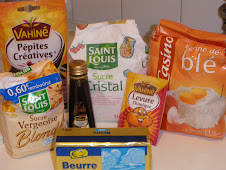
But figuring butter was my base, and that 250 grams was more or less a cup, and that the sugar ratio in my recipe was 1 to 1.5, I started coming up with my recipe in grams. The new “European” cookie recipe looks like this:
Traditional = European
¾ cup white sugar = 175 grams sucre blanc
¾ cup brown sugar = 175 grams sucre Vergeoise blond
1 cup butter = 250 grams beurre
2 eggs = 2 oeufs
1 tsp. vanilla extraact = 1 cuillère à café vanille (Arȏme Naturel de Vanille liquide par Vahiné)
2 ¼ cups flour = 550 grams blé
1 tsp. baking soda = 1 pc. levure chimique
½ tsp. salt = ½ cuillère à café sel
1 cup chocolate chips = 2 pc. Pépites Créatives (chocolat pour pâtes à gâteaux) (2 x 100 g)
The unfamiliar sounding ingredient in this list was the “levure chimique.” I would not have known what exactly to look for with regards to a baking soda substitute, because baking soda does not exist on French store shelves. But the recipe Rosanna gave me had “lev. Chimique” listed, and I was able to find the packets of this leavening agent (really, not quite sure what it is, but presumably what we call baking powder and/or soda) in my local supermarkets. Stage Two, workable recipe, complete.
So, I was ready to experiment making cookies with my “new” measurements. I headed out to buy ingredients. (Actually, the ingredient search was coincident with my figuring out measurements, but I am telling the story serially here.) As I have written, shopping in supermarkets is a pleasurable pastime for me, and I can spend hours (literally) shopping in French supermarkets these days – actually “shopping” is not the right word, “cruising aisles and looking at items on the shelves” is more like what I do. But given my experience cruising aisles, I knew my ingredient shopping would require a dictionary in hand. Experience had shown that buying something without knowing exactly what the wording on the label says could result in a surprise (if I had known that volaille was another word for poultry, I would not have bought that particular box of tabouli mix, for example).
White sugar, flour, butter, even the levure chimique, were not hard to find in my local supermarkets. What I became stumped with was finding what I knew to be brown sugar. I went to two different stores, without success, and then consulted with my friend Christiane, who said, of course, they must have it in the store. She accompanied me to a Monoprix on the main drag in Nice, and we found the sugar shelves, and of course, there were lots of “brown” sugar packages, including sugar in cubes or pourable sugar packaging. They call it “sucre de canne.” But I told Christiane what I was looking for was not on the shelf. She was puzzled; I described to her a moist brown sugar that could be packed into a cup measure. She said she didn’t know what this was. Good, I wasn’t going crazy.
That night on the phone with Priscilla, I bemoaned my failed attempts to find brown sugar. “No, No, they do have it here!” she said animatedly. “I saw it in my local grocery here the other day.” But she agreed that this was not an item that was mainstream in French cooking. Then she gave me, in her own Priscilla way, the exact name of the thing I should be looking for: Beghin Say Sucre Vergeoise Blond, or Brun. So equipped with a name, I headed out to the local Italian Cocci Market around the corner from me the next morning. Et violà, sitting there looking at me from the shelves was a small kilo package of sucre Vergeoise Blond (different producer, but same product). Success! Now I could make real American cookies. Stage Three, ingredients assembled, complete.
A quick word about the chocolate chips. I now live in a country where there are almost full aisles of chocolate in just about any food store. They love real chocolate here; America makes feeble attempts at chocolate products in comparison (though things are getting much better than they used to be. Trader Joes has helped revolutionize chocolate bar choices. Bringing chocolate back from Europe is no longer the first request I get from family). That being said, given that chocolate chip cookies, and cookies, basically, are not in high demand here in the land of the baguette and the croissant, I had only one choice for chocolate chips in the supermarket. My recipe above is specific, simply because those are the only chips I found, in every single store I visited. In my cruising of the baking aisles, I did find varieties of instant chocolate chip cookie mix, though, and I actually bought a bag of it to try and see what the French think of as chocolate chip cookies. The comparison between my American cookies and the French wannabes was striking – the brown sugar difference, Priscilla and I decided.
The purchase of the French cookie mix, while a culinary disappointment, was fortuitous, as the instructions on the back were very helpful as I was trying to write instructions in French for Rosanna. French phrases for cooking are not exactly intuitive. Here’s how instructions for my cookies turned out:
Prechauffez votre four th. 9 (200° C)
Dans un saladier, mélangez de beurre mou avec de sucre blanc et blonde. Ajoutez des oeufs et vanille et fouettez à nouveau.
Mélangez tous les ingrédients sec (farine, lev. Chimique, sel) et ajoutez dans le saladier avec les autres ingrédients.
Ajoutez finalement de pepites de chocolat et mélangez sans trop pétrir.
Avec deux cuillères à café, laissez tomber des petits boules en lignes sur une plaque à patisserie beurrée, bien espacées.
Faites cuire 10-12 minutes jusqu à ce que les cookies soient blonds (un petit marron, aussi bien). Une fois cuits, laisses-les tiédir avant de les décoller.
I was ready to bake. Almost. Although my furnished apartment’s kitchen is a pasta lover’s paradise (courtesy of the Italian owner – lots of big pots for cooking pasta), I found it woefully underprepared for a baker. So, during my trip to Carrefour to purchase my comforter and bedding last week, I also went in search of cookie baking fundamentals: baking sheet, spatula, and a strong wooden spoon for mixing. These were fairly easy to find in the aisle with kitchen accessories. I also noted on the shelves nearby the baking paper that I was pretty sure the French used (and shown on the side of the box) for baking in the oven. This practice from the old World has definitely left the American kitchen. I decided the good old American cookie sheet greased with butter would do for me. Stage One, appropriate utensils, complete (as far as I knew at the time!)
The ready-made mix purchased also at Carrefour was my first cookie effort. Using my new utensils, I was able to produce the chocolate chip cookies as instructed on the back of the package. They looked OK, the oven worked fairly well. I was ready to make my own recipe.
Actually, at this point, I made Rosanna’s cookies. Here’s what she wrote down that day to give me:
1 kilo Farine
300 g Sucre
250 cl hile
250 cl vin blanc
2 p. levure chimique
1 p pincée sel
I had found all her ingredients easily, and set about making the dough. Realizing that a kilo was a lot of flour, I planned to cut the recipe in half. But I started to pour out the liquids in the full measures (ml incidently, not cl, as she wrote down) by mistake, so I plunged ahead with the full recipe. And yes, it was a lot of flour. As a baker with experience, I also realized that the wooden spoon was not going to be helpful, that I would have to knead the flour (a total of 9 cups!) into the mixture. Kneading the cookie dough reminded me of baking gingerbread at Christmastime; one of my more pleasurable times in the kitchen, but also lengthy – kneading 9 cups of flour into a sticky ball of molasses and brown sugar takes time! And Rosanna’s recipe was just the same, although the dough was not so sticky (no brown sugar in her recipe).
My notes from my conversation with Rosanna about the cookie making was that one should roll out the cookies and sprinkle with sugar before baking. At this point, I realized that I did not have all the utensils I needed; I had not purchased a rolling pin for rolling out cookies. Hmm. It was McGyver time; time to improvise. I took a glass (luckily I had one thick enough not to break on me), and to the best of my ability, “rolled” out the dough to ¼ inch thickness or so, cutting the dough into squares and then putting them on a baking sheet. At this point, I saw the value of the baking paper I had rejected in the store, as I sprinkled sugar on the cookies and watched the crystals drop between the cookies onto the baking sheet. This would make a messy cleanup once the sugar baked on the sheet, I thought. In my next batch, I sugared the cookies before placing them on the sheet.
While not exactly pretty, and while missing that last cup of flour (I got tired of kneading!), the cookies turned out tasty. Like shortbread, and very enjoyable with jam or jelly and a cup of hot coffee or tea. Stage Four, Rosanna’s Canistrelli Corsican Cookies, complete.
Finally, it was time to make Margarita’s Chocolate Chip Cookies. I decided to make a half recipe – this time I knew the measurements well enough! – as I now had two pots full of cookies sitting on my refrigerator of which I was not looking forward to being the sole consumer. Knowing the recipe like the back of my hand, and having all the ingredients I needed, the process was quick and easy. The oven cooperated, the cookies came out browned and sugary and tasting like they should. I am feeling confident that with my French recipe, Rosanna can do the same. Here’s hoping!
* * *
Rosanna’s Canistrelli cookie recipe (in English, with American measurements)
9 cups flour
1 ½ cups sugar
1 cup vegetable oil
1 cup white wine
1 tsp baking powder
½ tsp. salt
Mix all ingredients together in a bowl, with half the flour. Turn mix onto board to knead in remaining flour. Roll out dough in ¼ inch thickness, cut into squares and put on greased cookie sheet.
Cook in hot (375-400 degree F) oven for 10-15 minutes.
It all began when I visited Corsica last month with Priscilla. During our week there, we drove to the town of Conte, to visit with one of her Alte Voce singer friends, Rosanna (See article Alte Voce). Rosanna is a lovely, warm, engaging and vibrant woman, and during our visit, I learned that she is also a very good baker. She offered us samples of her cookies while we were there, and I complemented her, letting her know that I was a cookie baker too. She became quite animated, and asked for a cookie recipe from me. She brought me a piece of paper, and I instinctively wrote down the recipe that most of us grew up knowing as Tollhouse Cookies, the recipe listed on the back of a bag of Nestle’s Semi-sweet Chocolate Morsels. [In the last decade or so, myriad varieties of so-called chocolate chips have become available, as the major confectioners’ marketing departments search for additional sales (e.g., peanut butter, chocolate mint, dark chocolate, white chocolate, minis, etc.), but the original ones from my childhood were the semi-sweet, melt-in-your-mouth-gooey-chocolate pieces in cookies hot from the oven, from the yellow Nestle’s bag.]
I wrote down the chocolate chip cookie recipe from memory (I have submitted my own version of the recipe to more than one cookbook compilation over the years, with my own twist of substituting Grand Marnier for vanilla extract), and gave the paper back to Rosanna. She started reading it and I realized it needed to be in French, of course (duh), and then seconds later, realized it had to be in metric measurements if she was going to be able to use it. Hmm, not in my repertoire, the measurements, that is. Rosanna was a little deflated, but we went into her kitchen to see if she had a measuring cup that had ounces by any chance (hard to imagine, however) marked on it. Her measuring cup was an interesting beaker-like plastic cone with markings on it – but not in ounces, but milliliters. Back in her sitting room, I was able however, to annotate the recipe with the names of the ingredients in French – most of them. By the time we were getting ready to leave, I was promising (apparently this happened between Priscilla and Rosanna in French around me, I didn’t actually understand the promise at the time) to send my hostess the complete recipe in French with understandable measures.
Before we left, I asked Rosanna for one of her cookie recipes. She proudly whipped out a piece of paper and wrote down six ingredients. Et viola! She described, with some prompting, what was to be done with the ingredients, so I made a few notations on the piece of paper. We talked about the temperature of the oven (“the highest heat possible” – another lesson learned about French appliances; ovens are not as sophisticated as American ovens; the temperature dial on my oven here is not in degrees, but in digits, 1 – 9, you figure it out!), and upon learning that I had an electric oven, Rosanna declared, “It is not possible to make these cookies in an electric oven. I have tried.” (Spoken in French, I believe.) But such a declaration was not to be a deterrent to my own interest in trying to recreate her cookies!
A few days after we got back to the mainland, Priscilla emailed me a link to a website that had American/European conversions for kilos, pounds, ounces, etc. “For your recipe for Rosanna” she wrote. I looked at the site, and tried to make conversions between cups and kilos, but found it a little frustrating. I took off for my Paris trip that week, so I forgot all about the recipe for awhile. Then a week or so ago, before I left on my trip to the States, Priscilla let me know that while she was with the Alte Voce group the previous weekend, she had heard Rosanna tell someone that she was going to get an American cookie recipe from me. Whoops! I hadn’t realized I was on the hook. I mobilized into action.
One of my purchases while I was in the States was a box of brownie mix, as my friend Erick had expressed a wish for brownies when I asked if there was anything I could bring him back from my visit. Having bought the mix, though, I realized that I needed a cup measure, and was pretty sure that I would not find one of these in Nice. I consulted with my mom, who found among her “things” in the house, a nest of cup measures (one-quarter, one-third, one-half, one), which was helpful, but we also talked about finding a cup measure with liters and ounces. She was sure she could find one in the Dollar Store, she told me. So, on my last day in Amherst, while I was finishing my packing to head back to Nice, Mom headed out on her quest to hunt down a cup measure. She returned victorious (“the last one there!”) with a plastic cup-and-a-half measure, with milliliters listed on the other side. Stage One, appropriate utensils, (partially) completed.
A few days later back in Nice, now equipped with a way to measure ingredients, I went back to my recipe with the earlier calculations with the measurement conversions. But in looking at the calculations (1 gram = .035 ounces), I realized that simply converting ¾ cup of sugar to grams was going to come out with a pretty weird number. It became evident to me that I would have to experiment with ratios, using the European measures, rather than doing a strict conversion. This began to make more sense once I started shopping for ingredients. A cup of butter is easy to figure out in the States, because butter is sold by the pound, and the tablespoon measurements are frequently listed on the side of the bar of butter (and most bars of butter are ½ cup). But butter in French supermarkets is sold by the gram, typically 250 grams, and not in bars, and not carrying any notation showing 100 or 125 grams for easy measuring.
But figuring butter was my base, and that 250 grams was more or less a cup, and that the sugar ratio in my recipe was 1 to 1.5, I started coming up with my recipe in grams. The new “European” cookie recipe looks like this:
Traditional = European
¾ cup white sugar = 175 grams sucre blanc
¾ cup brown sugar = 175 grams sucre Vergeoise blond
1 cup butter = 250 grams beurre
2 eggs = 2 oeufs
1 tsp. vanilla extraact = 1 cuillère à café vanille (Arȏme Naturel de Vanille liquide par Vahiné)
2 ¼ cups flour = 550 grams blé
1 tsp. baking soda = 1 pc. levure chimique
½ tsp. salt = ½ cuillère à café sel
1 cup chocolate chips = 2 pc. Pépites Créatives (chocolat pour pâtes à gâteaux) (2 x 100 g)
The unfamiliar sounding ingredient in this list was the “levure chimique.” I would not have known what exactly to look for with regards to a baking soda substitute, because baking soda does not exist on French store shelves. But the recipe Rosanna gave me had “lev. Chimique” listed, and I was able to find the packets of this leavening agent (really, not quite sure what it is, but presumably what we call baking powder and/or soda) in my local supermarkets. Stage Two, workable recipe, complete.
So, I was ready to experiment making cookies with my “new” measurements. I headed out to buy ingredients. (Actually, the ingredient search was coincident with my figuring out measurements, but I am telling the story serially here.) As I have written, shopping in supermarkets is a pleasurable pastime for me, and I can spend hours (literally) shopping in French supermarkets these days – actually “shopping” is not the right word, “cruising aisles and looking at items on the shelves” is more like what I do. But given my experience cruising aisles, I knew my ingredient shopping would require a dictionary in hand. Experience had shown that buying something without knowing exactly what the wording on the label says could result in a surprise (if I had known that volaille was another word for poultry, I would not have bought that particular box of tabouli mix, for example).
White sugar, flour, butter, even the levure chimique, were not hard to find in my local supermarkets. What I became stumped with was finding what I knew to be brown sugar. I went to two different stores, without success, and then consulted with my friend Christiane, who said, of course, they must have it in the store. She accompanied me to a Monoprix on the main drag in Nice, and we found the sugar shelves, and of course, there were lots of “brown” sugar packages, including sugar in cubes or pourable sugar packaging. They call it “sucre de canne.” But I told Christiane what I was looking for was not on the shelf. She was puzzled; I described to her a moist brown sugar that could be packed into a cup measure. She said she didn’t know what this was. Good, I wasn’t going crazy.
That night on the phone with Priscilla, I bemoaned my failed attempts to find brown sugar. “No, No, they do have it here!” she said animatedly. “I saw it in my local grocery here the other day.” But she agreed that this was not an item that was mainstream in French cooking. Then she gave me, in her own Priscilla way, the exact name of the thing I should be looking for: Beghin Say Sucre Vergeoise Blond, or Brun. So equipped with a name, I headed out to the local Italian Cocci Market around the corner from me the next morning. Et violà, sitting there looking at me from the shelves was a small kilo package of sucre Vergeoise Blond (different producer, but same product). Success! Now I could make real American cookies. Stage Three, ingredients assembled, complete.
A quick word about the chocolate chips. I now live in a country where there are almost full aisles of chocolate in just about any food store. They love real chocolate here; America makes feeble attempts at chocolate products in comparison (though things are getting much better than they used to be. Trader Joes has helped revolutionize chocolate bar choices. Bringing chocolate back from Europe is no longer the first request I get from family). That being said, given that chocolate chip cookies, and cookies, basically, are not in high demand here in the land of the baguette and the croissant, I had only one choice for chocolate chips in the supermarket. My recipe above is specific, simply because those are the only chips I found, in every single store I visited. In my cruising of the baking aisles, I did find varieties of instant chocolate chip cookie mix, though, and I actually bought a bag of it to try and see what the French think of as chocolate chip cookies. The comparison between my American cookies and the French wannabes was striking – the brown sugar difference, Priscilla and I decided.
The purchase of the French cookie mix, while a culinary disappointment, was fortuitous, as the instructions on the back were very helpful as I was trying to write instructions in French for Rosanna. French phrases for cooking are not exactly intuitive. Here’s how instructions for my cookies turned out:
Prechauffez votre four th. 9 (200° C)
Dans un saladier, mélangez de beurre mou avec de sucre blanc et blonde. Ajoutez des oeufs et vanille et fouettez à nouveau.
Mélangez tous les ingrédients sec (farine, lev. Chimique, sel) et ajoutez dans le saladier avec les autres ingrédients.
Ajoutez finalement de pepites de chocolat et mélangez sans trop pétrir.
Avec deux cuillères à café, laissez tomber des petits boules en lignes sur une plaque à patisserie beurrée, bien espacées.
Faites cuire 10-12 minutes jusqu à ce que les cookies soient blonds (un petit marron, aussi bien). Une fois cuits, laisses-les tiédir avant de les décoller.
I was ready to bake. Almost. Although my furnished apartment’s kitchen is a pasta lover’s paradise (courtesy of the Italian owner – lots of big pots for cooking pasta), I found it woefully underprepared for a baker. So, during my trip to Carrefour to purchase my comforter and bedding last week, I also went in search of cookie baking fundamentals: baking sheet, spatula, and a strong wooden spoon for mixing. These were fairly easy to find in the aisle with kitchen accessories. I also noted on the shelves nearby the baking paper that I was pretty sure the French used (and shown on the side of the box) for baking in the oven. This practice from the old World has definitely left the American kitchen. I decided the good old American cookie sheet greased with butter would do for me. Stage One, appropriate utensils, complete (as far as I knew at the time!)
The ready-made mix purchased also at Carrefour was my first cookie effort. Using my new utensils, I was able to produce the chocolate chip cookies as instructed on the back of the package. They looked OK, the oven worked fairly well. I was ready to make my own recipe.
Actually, at this point, I made Rosanna’s cookies. Here’s what she wrote down that day to give me:
1 kilo Farine
300 g Sucre
250 cl hile
250 cl vin blanc
2 p. levure chimique
1 p pincée sel
I had found all her ingredients easily, and set about making the dough. Realizing that a kilo was a lot of flour, I planned to cut the recipe in half. But I started to pour out the liquids in the full measures (ml incidently, not cl, as she wrote down) by mistake, so I plunged ahead with the full recipe. And yes, it was a lot of flour. As a baker with experience, I also realized that the wooden spoon was not going to be helpful, that I would have to knead the flour (a total of 9 cups!) into the mixture. Kneading the cookie dough reminded me of baking gingerbread at Christmastime; one of my more pleasurable times in the kitchen, but also lengthy – kneading 9 cups of flour into a sticky ball of molasses and brown sugar takes time! And Rosanna’s recipe was just the same, although the dough was not so sticky (no brown sugar in her recipe).
My notes from my conversation with Rosanna about the cookie making was that one should roll out the cookies and sprinkle with sugar before baking. At this point, I realized that I did not have all the utensils I needed; I had not purchased a rolling pin for rolling out cookies. Hmm. It was McGyver time; time to improvise. I took a glass (luckily I had one thick enough not to break on me), and to the best of my ability, “rolled” out the dough to ¼ inch thickness or so, cutting the dough into squares and then putting them on a baking sheet. At this point, I saw the value of the baking paper I had rejected in the store, as I sprinkled sugar on the cookies and watched the crystals drop between the cookies onto the baking sheet. This would make a messy cleanup once the sugar baked on the sheet, I thought. In my next batch, I sugared the cookies before placing them on the sheet.
While not exactly pretty, and while missing that last cup of flour (I got tired of kneading!), the cookies turned out tasty. Like shortbread, and very enjoyable with jam or jelly and a cup of hot coffee or tea. Stage Four, Rosanna’s Canistrelli Corsican Cookies, complete.
Finally, it was time to make Margarita’s Chocolate Chip Cookies. I decided to make a half recipe – this time I knew the measurements well enough! – as I now had two pots full of cookies sitting on my refrigerator of which I was not looking forward to being the sole consumer. Knowing the recipe like the back of my hand, and having all the ingredients I needed, the process was quick and easy. The oven cooperated, the cookies came out browned and sugary and tasting like they should. I am feeling confident that with my French recipe, Rosanna can do the same. Here’s hoping!
* * *
Rosanna’s Canistrelli cookie recipe (in English, with American measurements)
9 cups flour
1 ½ cups sugar
1 cup vegetable oil
1 cup white wine
1 tsp baking powder
½ tsp. salt
Mix all ingredients together in a bowl, with half the flour. Turn mix onto board to knead in remaining flour. Roll out dough in ¼ inch thickness, cut into squares and put on greased cookie sheet.
Cook in hot (375-400 degree F) oven for 10-15 minutes.
Thursday, October 16, 2008
Time Management or What Do You Mean You Don't Work?
In the Hugh Grant movie, “About a Boy,” Grant plays a 30-something guy who is independently wealthy (courtesy of a father whose one successful song turned out to be a Christmas song, ensuring annual royalties until the end of time). He is single, doesn’t work, and basically just dates women and breaks up with them (a similar plot line for another favorite show of mine, “Two and Half Men” – “Mon oncle Charlie” here in France). What made me think of the movie today was remembering the voice-over the character gives about how he spends his days: he measures activities in 15 minute time increments, as a way to keep the 24 hours in a day from becoming totally overwhelming. I thought of that as I went through my day in carefully orchestrated increments (but not quite of the 15 minute variety): cookie baking in the morning, swimming and sunning in the middle of the day, a visit to the bank in the afternoon. I bought two newspapers today; I plan to read them sometime in the late afternoon and early evening, before the television news comes on. Oops, forgot to schedule in my Internet time; perhaps I will do that before the TV news.
I watched a Poirot movie on the television yesterday. (Those of you who know that my television set sat unplugged in my condo in Virginia most of the time may find it amusing that I am becoming a television watcher of sorts here in France.) I’ve always loved M. Hercule Poirot; I think I read every single mystery that Agatha Christie wrote with him as the lead investigator. I remember pleading for my dad to get me the final in the Poirot series, “Curtain,” in which Poirot is killed, but identifies his killer. It was 1975; it was a momentous Christmas for me. Anyway, the movie I saw the other day was yet another typical setting of British upper crust society spending a week (or who knows how long) on some estate in the Cotswolds (or someplace like that), where of course someone is killed, and Poirot happens to be a guest for the weekend. Watching the movie (dubbed in French, of course), I thought, what do those people do all day? Clearly they were rich enough not to work; it seemed (in the story, anyway) their days were measured by meals, served like clockwork by attentive servants, in the main dining room. And their evenings were always cocktails, followed by dinner, followed by games in the drawing room and after dinner drinks, or some such civilized thing.
Now that I am unemployed, I have a whole new perspective on what it means to not work. My perspective comes from the fact that I am voluntarily unemployed, an important distinction from those made so involuntarily. My days are basically without the stress of searching for a job. Not that I don’t think about it, but no part of my day is planned with activities like writing a resume, or contacting a former colleague about possible job openings, or reading newspapers for help wanted notices, or scanning the Internet for possible other things to do with my life other than the job I just left. My life at the moment is filled with the mundane activities that come with building a new life in a new place just for the fun of it.
I have devised a schedule for my days, but I remain fairly flexible and laid back about it; if I want to sleep late in the morning, I do. It is such a lovely departure from the past two years, in which I went to bed each night planning whether or not I would get up at 5 a.m. so that I could do a run or a workout in the gym before leaving for work at 6:30 a.m., or deciding I would let myself sleep until 5:50, and to leave by 6:30 for the metro so I could be at work not later than 7:15, for the daily 8 a.m. meeting for which I was responsible. In a weird “can’t let that early morning habit go” reaction, however, I am letting myself wake up early, as the local Riviera Radio station out of Monaco plays an hour of BBC News at 6 a.m., and I’ve wanted to hear the latest out of Washington and Wall Street to see if “how low can we go” is still the recurring theme of this crisis. But if I want to go back to sleep after that, I do.
Unlike the achingly proper British, I do not keep posted meal times each day, but certainly planning and preparing for meals has become an important and time-filling activity in my new life. After my initial awkward experience with a pain au chocolat my first day in France (see August postings, Wednesday Morning in Nice, and Anxiety Produces Nothing Good II), I decided I would ease into my new country’s culinary habits. Meaning that I have been trying to replicate my American eating habits here at first, and slowly add in the components of a true French meal. Some of the meal components have needed no transition at all; I have been a cheese and yogurt eater forever, and I love wine with dinner. It’s the baked goods that I’ve been taking my time with; several years ago I stopped buying yeast breads, so that the only grains in my home kitchen were crackers, Trader Joes being my favorite location for new and exotic varieties. Between boulangeries and patisseries here on every corner of Nice, it is hard to avoid the lure of the yeasty loaves and butter-filled pastries that cram shop windows and whose smells waft through open doors on the streets. My niece, with her one year experience living in Italy, said to me, “Don’t worry, you’ll lose all the weight you gain in France when you get back to the States.” Yeah, well, I’m pretty happy with my weight right now, so I’m not in a mood to tinker with it. I have decided to make bread purchases an occasional event (but there is nothing like brie on a soft olive loaf, yummm), which my workouts and my body will deal with accordingly.
Shopping for food is practically a daily activity for me; the shops here sell things in small sizes, and there isn’t that much room in my kitchen to store anything in bulk, or much of anything at all, really. I lucked out with a fairly good-sized refridgerator in my apartment, but many people here manage with a refridgerator the size of which you would remember from your college dorm room. Even while shopping at Carrefour, the Wal-Mart-sized super store, I found the food packages were remarkably small; I spotted no Costco-sized mega-rolls of toilet paper or super-sized bags of rice or cereal. (They do sell awfully large bottles of soda, however.) But honestly, given my life of leisure, having time to stroll down aisles and look at all the unfamiliar products and packaging, and new words (these are words you don’t learn in a foreign language classroom) is a delight for me (and a good time suck).
Exercise is the other planned activity during my days. Although I take pride, as a runner, that I can do my sport pretty much anywhere, in any type of weather, and in any type of attire; as an aging runner, I have shifted from being a running snob (“Who needs cross-training?”) to a gym-rat of sorts. When I moved to my Lexington Square condo four years ago, I looked at the small gym available to residents and said to myself, Lifting weights – I want to do that. In the next four years, I became a pretty regular user of the small but serviceable workout room (in addition to my regular, if infrequent, runs on the C&O bike trail), eventually using just about every piece of machinery in there: the bike, the elliptical machine, the treadmill and the weights and weight machine. When I arrived in Nice, I decided I was going to find a gym to continue my exercise habit (and also thought it would be a good way to meet people). So I engaged in a search through the yellow pages, and visited each of the gyms listed within walking distance of my apartment. I was looking for a gym with a pool too; the pool at Lexington Square, even though it was open only during the summer, had become an important post-exercise activity for me. Never one to spend more than 10 or 15 minutes swimming, I just felt that doing some laps post-biking or running made my legs feel that much better the next day. The gyms in Nice ranged from a Gold’s Gym (one large room with a sweaty, dank smell, lots of weight machines, one treadmill), to FitnessLand (huge, with pool, exercise class rooms, weights, many machines, sauna and whirlpool). The young lady at FitnessLand figured out my French wasn’t that great, but it turned out her English wasn’t that great either, but she won me over, especially when I learned that I’d get two gyms for the price of one, FitnessLand, a 15 minute walk west and Espace Wellness, a 5 minute walk several blocks south of me. I paid for the pools (they both have them, but you can’t really swim laps in the Wellness pool – Aqua aerobics is really big here in France!) and the space, but the locations are great, and there are tons of classes to choose from at each gym.
I am busy now trying to figure out my schedule for what days I will go to the gym and what days I will run. Oh, yes, and I plan to buy a bike somewhere along the way, and so will have to fit bike rides into the schedule too. But coming up with a plan is just to make me feel like I know what I’m doing; if I wake up one morning and decide I don’t want to work out, I won’t. No hard feelings.
That’s the beauty of my new life. I can do what I want when I want. Eating, sleeping, working out, writing emails, writing generally, can all be done on whatever whim I have at the moment. There’s no time pressure. It’s such a change for me from the requirements of being at work at a certain time, or at a meeting at a certain time, or at rehearsal at a certain time. And I no longer have the pressure of having a list of things to do, that NEED TO GET DONE, and having that unsettling feeling of not knowing when I will get them done because of all the other time pressures. Such freedom!
But there remains an insidious voice inside me asking questions : What makes you think you can just chuck all of your life aside as you know it and lie on a beach by the Mediterranean sea wearing only your bikini bottoms while you work on a getting a tan in the fading autumn sunlight? When did you think you could just stop being a contributing member of society? What kind of ego lets you just escape from the world that everyone else is toiling in (and believe me, as the far as this goes, I know some people are REALLY toiling right now, given the current financial environment, that’s MY industry) and kick back and do nothing?
I have stock answers for all those questions, but the voice is persistent. I’m trying to ignore it for now.
The time to look for a job will come soon enough.
I watched a Poirot movie on the television yesterday. (Those of you who know that my television set sat unplugged in my condo in Virginia most of the time may find it amusing that I am becoming a television watcher of sorts here in France.) I’ve always loved M. Hercule Poirot; I think I read every single mystery that Agatha Christie wrote with him as the lead investigator. I remember pleading for my dad to get me the final in the Poirot series, “Curtain,” in which Poirot is killed, but identifies his killer. It was 1975; it was a momentous Christmas for me. Anyway, the movie I saw the other day was yet another typical setting of British upper crust society spending a week (or who knows how long) on some estate in the Cotswolds (or someplace like that), where of course someone is killed, and Poirot happens to be a guest for the weekend. Watching the movie (dubbed in French, of course), I thought, what do those people do all day? Clearly they were rich enough not to work; it seemed (in the story, anyway) their days were measured by meals, served like clockwork by attentive servants, in the main dining room. And their evenings were always cocktails, followed by dinner, followed by games in the drawing room and after dinner drinks, or some such civilized thing.
Now that I am unemployed, I have a whole new perspective on what it means to not work. My perspective comes from the fact that I am voluntarily unemployed, an important distinction from those made so involuntarily. My days are basically without the stress of searching for a job. Not that I don’t think about it, but no part of my day is planned with activities like writing a resume, or contacting a former colleague about possible job openings, or reading newspapers for help wanted notices, or scanning the Internet for possible other things to do with my life other than the job I just left. My life at the moment is filled with the mundane activities that come with building a new life in a new place just for the fun of it.
I have devised a schedule for my days, but I remain fairly flexible and laid back about it; if I want to sleep late in the morning, I do. It is such a lovely departure from the past two years, in which I went to bed each night planning whether or not I would get up at 5 a.m. so that I could do a run or a workout in the gym before leaving for work at 6:30 a.m., or deciding I would let myself sleep until 5:50, and to leave by 6:30 for the metro so I could be at work not later than 7:15, for the daily 8 a.m. meeting for which I was responsible. In a weird “can’t let that early morning habit go” reaction, however, I am letting myself wake up early, as the local Riviera Radio station out of Monaco plays an hour of BBC News at 6 a.m., and I’ve wanted to hear the latest out of Washington and Wall Street to see if “how low can we go” is still the recurring theme of this crisis. But if I want to go back to sleep after that, I do.
Unlike the achingly proper British, I do not keep posted meal times each day, but certainly planning and preparing for meals has become an important and time-filling activity in my new life. After my initial awkward experience with a pain au chocolat my first day in France (see August postings, Wednesday Morning in Nice, and Anxiety Produces Nothing Good II), I decided I would ease into my new country’s culinary habits. Meaning that I have been trying to replicate my American eating habits here at first, and slowly add in the components of a true French meal. Some of the meal components have needed no transition at all; I have been a cheese and yogurt eater forever, and I love wine with dinner. It’s the baked goods that I’ve been taking my time with; several years ago I stopped buying yeast breads, so that the only grains in my home kitchen were crackers, Trader Joes being my favorite location for new and exotic varieties. Between boulangeries and patisseries here on every corner of Nice, it is hard to avoid the lure of the yeasty loaves and butter-filled pastries that cram shop windows and whose smells waft through open doors on the streets. My niece, with her one year experience living in Italy, said to me, “Don’t worry, you’ll lose all the weight you gain in France when you get back to the States.” Yeah, well, I’m pretty happy with my weight right now, so I’m not in a mood to tinker with it. I have decided to make bread purchases an occasional event (but there is nothing like brie on a soft olive loaf, yummm), which my workouts and my body will deal with accordingly.
Shopping for food is practically a daily activity for me; the shops here sell things in small sizes, and there isn’t that much room in my kitchen to store anything in bulk, or much of anything at all, really. I lucked out with a fairly good-sized refridgerator in my apartment, but many people here manage with a refridgerator the size of which you would remember from your college dorm room. Even while shopping at Carrefour, the Wal-Mart-sized super store, I found the food packages were remarkably small; I spotted no Costco-sized mega-rolls of toilet paper or super-sized bags of rice or cereal. (They do sell awfully large bottles of soda, however.) But honestly, given my life of leisure, having time to stroll down aisles and look at all the unfamiliar products and packaging, and new words (these are words you don’t learn in a foreign language classroom) is a delight for me (and a good time suck).
Exercise is the other planned activity during my days. Although I take pride, as a runner, that I can do my sport pretty much anywhere, in any type of weather, and in any type of attire; as an aging runner, I have shifted from being a running snob (“Who needs cross-training?”) to a gym-rat of sorts. When I moved to my Lexington Square condo four years ago, I looked at the small gym available to residents and said to myself, Lifting weights – I want to do that. In the next four years, I became a pretty regular user of the small but serviceable workout room (in addition to my regular, if infrequent, runs on the C&O bike trail), eventually using just about every piece of machinery in there: the bike, the elliptical machine, the treadmill and the weights and weight machine. When I arrived in Nice, I decided I was going to find a gym to continue my exercise habit (and also thought it would be a good way to meet people). So I engaged in a search through the yellow pages, and visited each of the gyms listed within walking distance of my apartment. I was looking for a gym with a pool too; the pool at Lexington Square, even though it was open only during the summer, had become an important post-exercise activity for me. Never one to spend more than 10 or 15 minutes swimming, I just felt that doing some laps post-biking or running made my legs feel that much better the next day. The gyms in Nice ranged from a Gold’s Gym (one large room with a sweaty, dank smell, lots of weight machines, one treadmill), to FitnessLand (huge, with pool, exercise class rooms, weights, many machines, sauna and whirlpool). The young lady at FitnessLand figured out my French wasn’t that great, but it turned out her English wasn’t that great either, but she won me over, especially when I learned that I’d get two gyms for the price of one, FitnessLand, a 15 minute walk west and Espace Wellness, a 5 minute walk several blocks south of me. I paid for the pools (they both have them, but you can’t really swim laps in the Wellness pool – Aqua aerobics is really big here in France!) and the space, but the locations are great, and there are tons of classes to choose from at each gym.
I am busy now trying to figure out my schedule for what days I will go to the gym and what days I will run. Oh, yes, and I plan to buy a bike somewhere along the way, and so will have to fit bike rides into the schedule too. But coming up with a plan is just to make me feel like I know what I’m doing; if I wake up one morning and decide I don’t want to work out, I won’t. No hard feelings.
That’s the beauty of my new life. I can do what I want when I want. Eating, sleeping, working out, writing emails, writing generally, can all be done on whatever whim I have at the moment. There’s no time pressure. It’s such a change for me from the requirements of being at work at a certain time, or at a meeting at a certain time, or at rehearsal at a certain time. And I no longer have the pressure of having a list of things to do, that NEED TO GET DONE, and having that unsettling feeling of not knowing when I will get them done because of all the other time pressures. Such freedom!
But there remains an insidious voice inside me asking questions : What makes you think you can just chuck all of your life aside as you know it and lie on a beach by the Mediterranean sea wearing only your bikini bottoms while you work on a getting a tan in the fading autumn sunlight? When did you think you could just stop being a contributing member of society? What kind of ego lets you just escape from the world that everyone else is toiling in (and believe me, as the far as this goes, I know some people are REALLY toiling right now, given the current financial environment, that’s MY industry) and kick back and do nothing?
I have stock answers for all those questions, but the voice is persistent. I’m trying to ignore it for now.
The time to look for a job will come soon enough.
Subscribe to:
Posts (Atom)


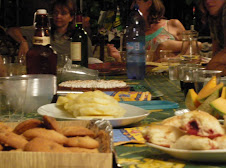
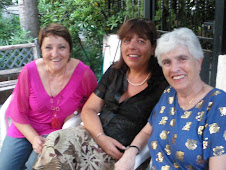





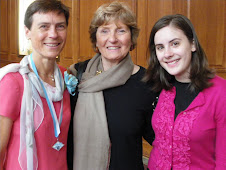
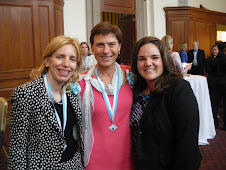
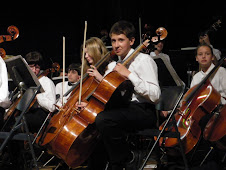


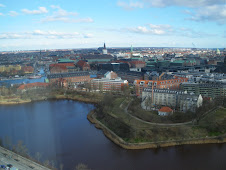
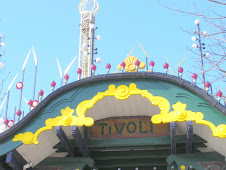
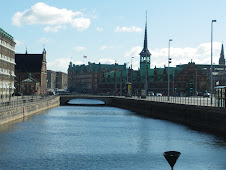
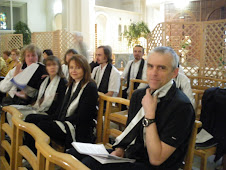
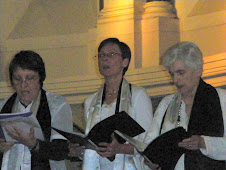


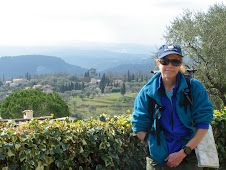
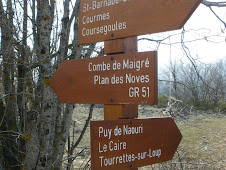
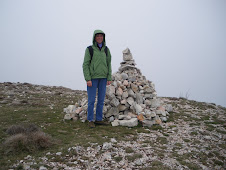

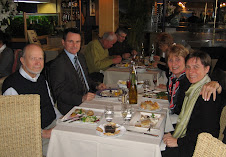


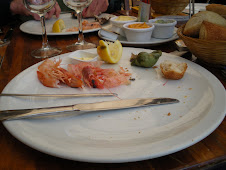
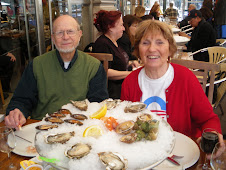
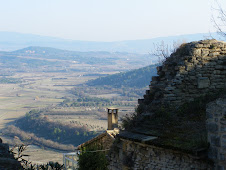
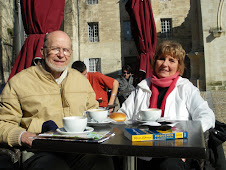


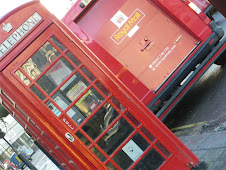
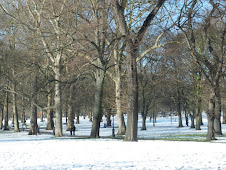
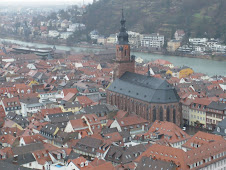
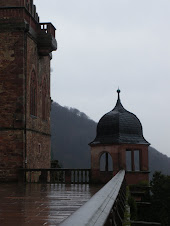
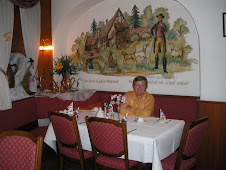
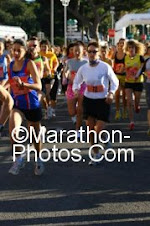

+of+IMG_0522.JPG)
+of+IMG_0505.JPG)
+of+IMG_0495.JPG)